
‘Amplify credible science-based info to dispel myths, promote breastfeeding and healthy diet’


Senior Correspondent
NewsBits.in
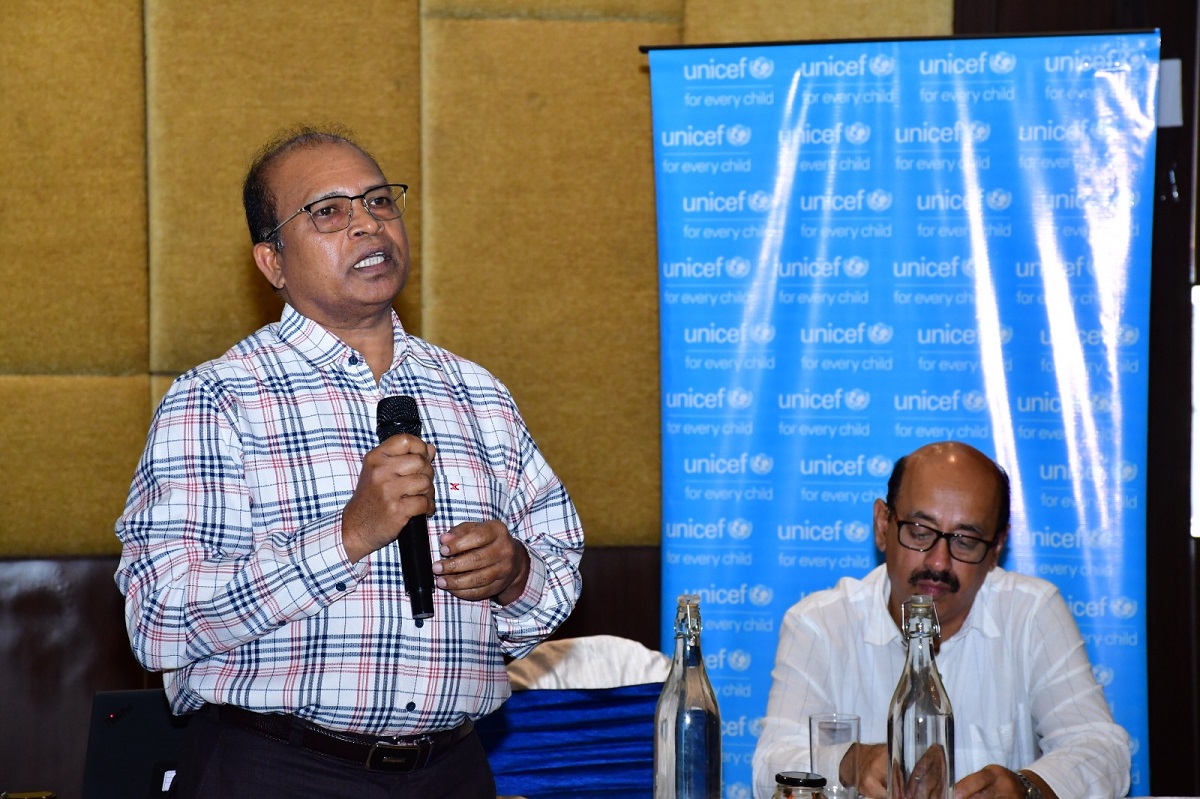
RAIPUR: UNICEF organised a media workshop on "World Breastfeeding Week and Healthy Diets" to stress media's vital role in advancing maternal and child nutrition.
The workshop, held in Raipur on July 23, brought together journalists from print, electronic and digital media to discuss how evidence-based reporting can promote breastfeeding, healthy diets and informed nutrition practices across communities.
Opening the workshop, Anil Gulati, Communication Specialist, UNICEF, said the media has the power to shape public attitudes and inspire positive behaviour change. He urged journalists to amplify credible, science-based information that can dispel myths and help every child receive the healthiest possible start in life.
Dr Aparna Deshpande, Nutrition Specialist, UNICEF, described mother's milk as the complete and ideal first food for every infant, providing all the nutrients required during the first six months of life and laying the foundation for lifelong health.
She stressed that successful breastfeeding is a shared responsibility, requiring physical, emotional and mental support for mothers from families and communities, especially husbands, throughout pregnancy and the lactation period.
She also highlighted the Infant Milk Substitutes (IMS) Act, 1992, which protects and promotes breastfeeding by regulating the marketing of infant milk substitutes and commercial baby foods. She emphasised that commercial baby foods should not be glorified in ways that discourage breastfeeding.
Speaking on government initiatives, Dr BR Bhagat, Deputy Director, Child Health, Government of Chhattisgarh, said sustained efforts are being made to promote breastfeeding, nutrition and child health, particularly in rural and tribal areas.
He highlighted the crucial role of ASHAs, Anganwadi Workers and ANMs in counselling mothers, promoting exclusive breastfeeding and improving infant and young child feeding practices.
Aastha Singh, Consultant, Advocacy for Healthy Diets, encouraged families to prioritise fresh, home-cooked meals prepared with locally available ingredients.
She advised limiting junk food and ultra-processed packaged products marketed as "healthy", and urged consumers to read nutrition labels carefully before making food choices. She also shared practical and affordable healthy swaps to make everyday Indian meals more nutritious.
The workshop featured an interactive discussion on breastfeeding, complementary feeding, maternal nutrition and the challenge of nutrition-related misinformation. Journalists and experts explored ways to make nutrition reporting more accurate, accessible and impactful.
Concluding the session, UNICEF reiterated that improving maternal and child nutrition requires collective action by governments, healthcare providers, communities, families and the media. Responsible journalism, it noted, can play a transformative role in promoting breastfeeding, healthy diets and supportive environments where every mother and every child can thrive.
The workshop was organised ahead of World Breastfeeding Week (1-7 August), reaffirming UNICEF's commitment to promoting optimal infant and young child feeding practices and healthier diets as essential investments in the well-being of future generations.