
SRS 2024: Chhattisgarh reports highest, MP and UP second highest infant mortality rate


Special Correspondent
NewsBits.in
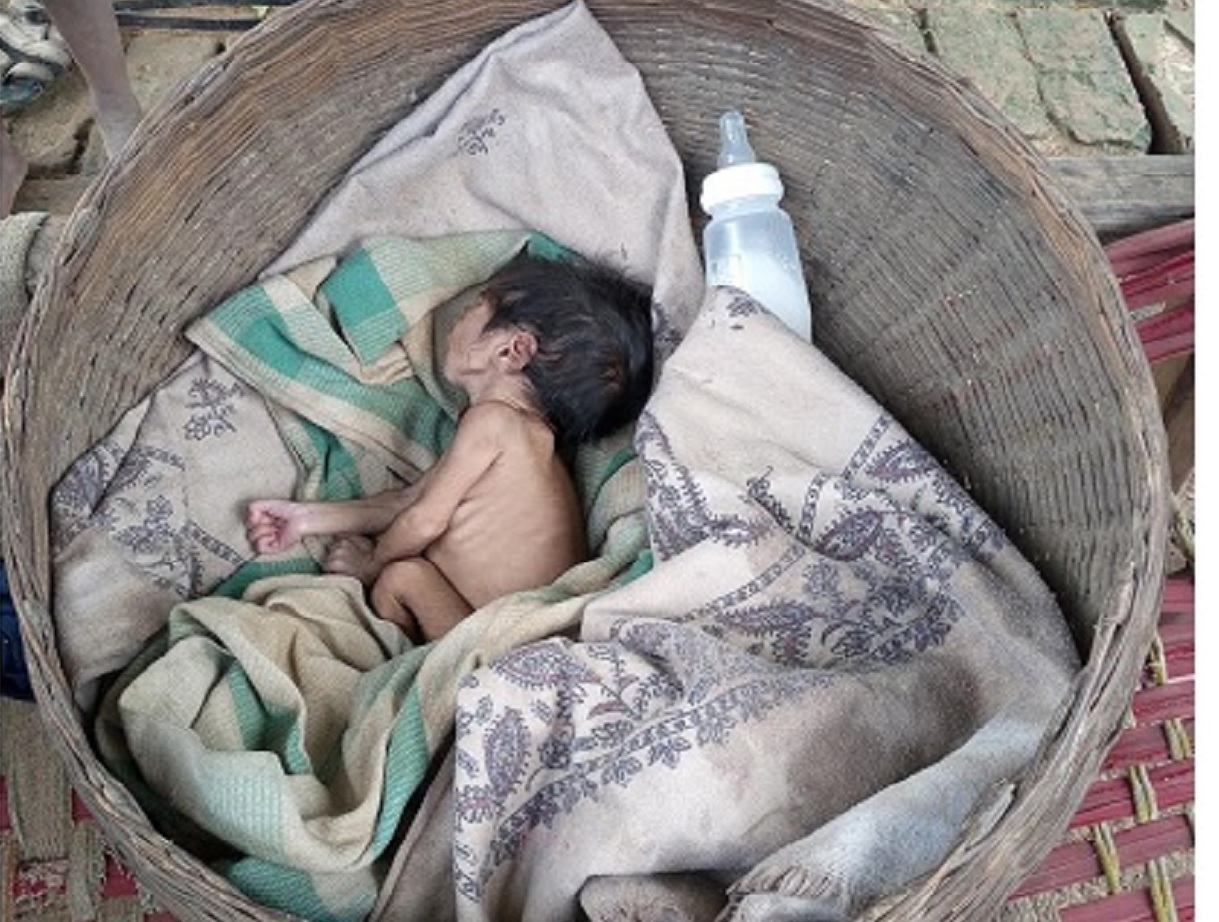
BHOPAL: Central Indian state of Chhattisgarh has reported highest infant mortality rate (IMR) in the country followed by neighbours Madhya Pradesh and Uttar Pradesh that have jointly reported second highest IMR according to the recently released bulletin of Sample Registration System (SRS) for 2024.
IMR is the number of infants who die before attaining age of one year per thousand of live births. IMR is one of the key human development indicators that shows the public health and nutrition care status of a state.
According to SRS 2024 bulletin, Chhattisgarh reported IMR of 36 per 1000 while MP and UP were close behind with 35 deaths of infant per 1000.
The bulletin shows that overall, India’s IMR has declined to 24 per 1,000 live births, but for some states, the rates are far higher than the national average. Assam reported IMR of 29, Odisha and Rajasthan – 28 while Jharkhand reported IMR of 27 per 1000 live births. The only major state to report IMR below 10 is Kerala at 8 per 1000 births.
Among smaller states, Arunachal Pradesh reported IMR of 32, while union territory of Chandigarh reported IMR of 31. Smaller states like Goa and Sikkim reported low IMR of 7 each, while all union territories reported IMR below 10, the report shows. It is to be noted that the IMR for smaller states and union territories is for a three year period of 2022-24, the SRS bulletin said.
INEQUALITY BETWEEN STATES MAJOR CONCERN
Jan Swasthya Abhiyan India (JSAI) – a national level platform working on health and health care issues - has expressed serious concern over the latest findings SRS bulletin, released by the Office of the Registrar General of India.
The report shows that despite improvements in national health indicators, major inequalities continue across states, especially in infant mortality and maternal-child health outcomes, the JSAI has said.
In a press note, JSAI said that the figures reflect deep inequities in access to quality public healthcare, nutrition, maternal services, neonatal care, and social determinants of health. The continuing high IMR in poorer and underserved states highlights the urgent need for strengthening the public health system and ensuring universal access to affordable healthcare.
JSAI noted that the Union Government has allocated around ₹39,390 crore for the National Health Mission (NHM) in 2026-27, while overall health allocation has crossed ₹1.06 lakh crore.
NHM remains the largest public health programme focused on strengthening primary healthcare, maternal health, newborn care, child health services, immunisation, nutrition support, and disease control programmes across states.
The organisation further pointed out that a major component of NHM expenditure is directed towards reproductive, maternal, newborn, child and adolescent health services. Despite these allocations and years of public investment, many district hospitals, Community Health Centres and Primary Health Centres continue to suffer from shortages of specialist doctors, nurses, blood banks, ICU facilities, SNCUs, medicines, diagnostics, ambulances and referral transport systems.
WEAK REFERRAL SYSTEMS IN PUBLIC HOSPITALS KEY FACTOR
JSAI emphasised that weak referral systems in public hospitals remain one of the key reasons behind preventable maternal and infant deaths. Due to inadequate facilities at district hospitals and sub-district centres, pregnant women, newborns and critically ill children are frequently forced to travel long distances to tertiary hospitals and medical colleges. Delays in referral, transport and treatment continue to cost lives, especially in rural, tribal and underserved regions.
The organisation said that despite substantial public expenditure on maternal and child health programmes, no woman or child should die because of lack of oxygen, ICU care, blood availability, medicines, trained healthcare workers, safe transportation or timely treatment. Every maternal death and every preventable child death reflects a serious failure of the healthcare delivery system and governance mechanisms.
DEMAND TO INCREASE PUBLIC HEALTH EXPENDITURE
JSAI demanded that the Government of India and state governments urgently increase public health expenditure to at least 3% of GDP, strengthen district hospitals and referral systems, ensure functional emergency obstetric and newborn care services at all district hospitals, fill vacant posts of healthcare workers, and improve ambulance and transport connectivity for rural populations.
The organisation also stressed that reducing infant and maternal mortality requires action on nutrition, anaemia, sanitation, poverty, gender inequality and social determinants of health. JSAI called for a strong, equitable and accountable public health system that guarantees timely and quality healthcare for every mother and every child.